


Pests are one of the invisible effects of climate change, with serious consequences for health, agriculture, and biodiversity.
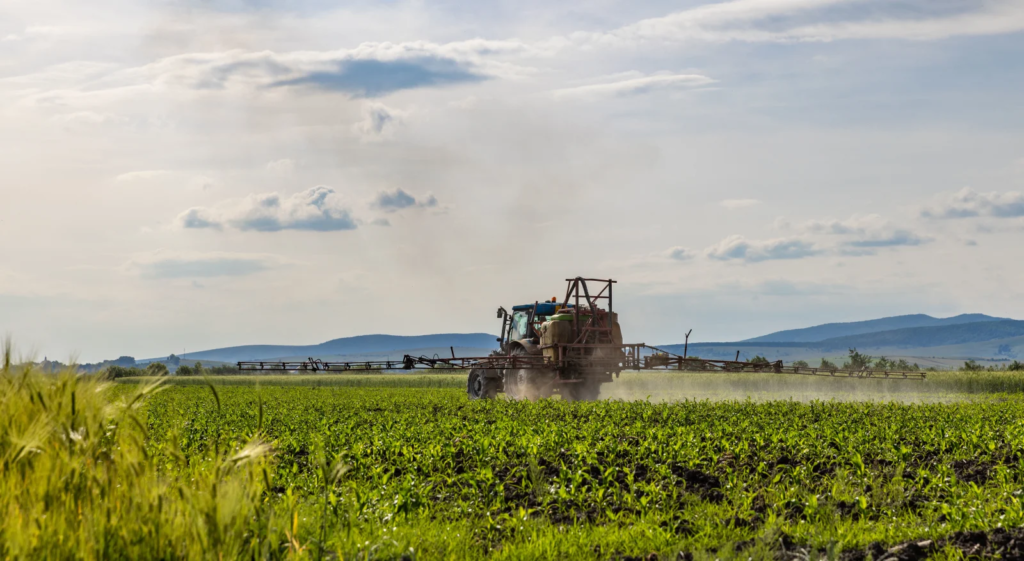
Climate change not only alters the climate: it also favors the spread of pests, including insects, animals, and plants. The United Nations Food and Agriculture Organization (FAO) warns that changes in temperature and humidity are modifying the distribution of pests and diseases affecting animals and crops.
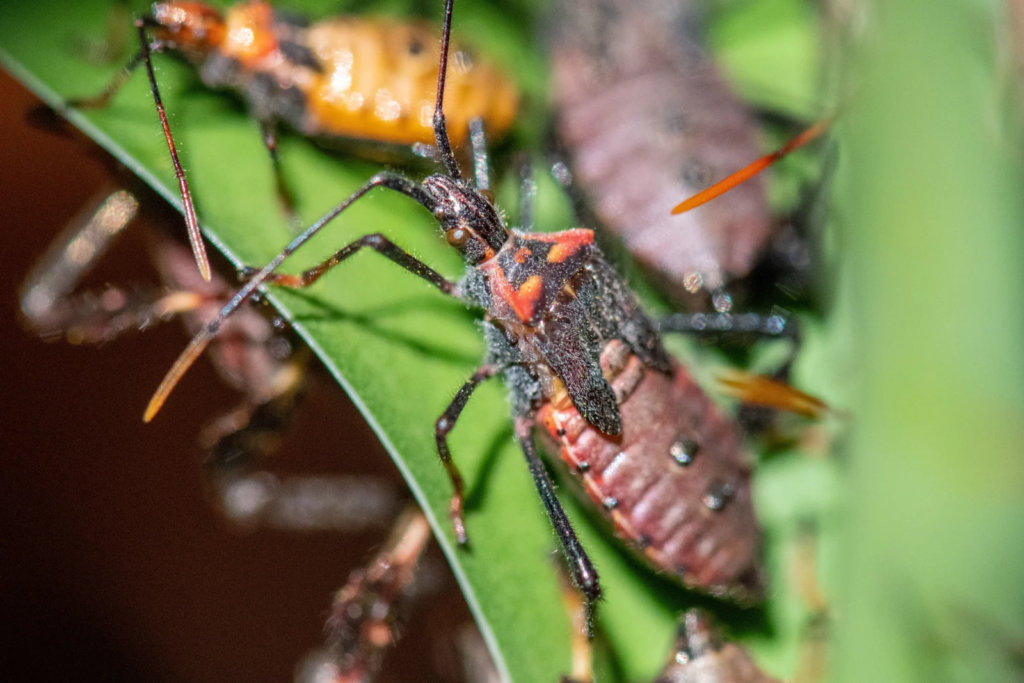
Insects, in particular, reproduce faster with heat and can transmit diseases. A nearby example is the tiger mosquito, capable of transmitting viruses such as dengue or Zika. Other notable cases include the Asian hornet, dangerous for bees and allergic people, or aphids and ants, increasingly present throughout the year.
There are also pests that affect the livestock sector, such as bluetongue disease, transmitted by mosquitoes and increasingly widespread in Europe, or mole invasions, which no longer hibernate due to mild winters and can damage crops all year round.
In addition, invasive exotic plants, such as the Caucasian pampas grass or Cape ragwort, find in the new climatic conditions an ideal environment to grow and displace native species.